
Get Healthy!
- Posted December 8, 2025
One Million More U.S. Kids Became Obese During COVID Pandemic
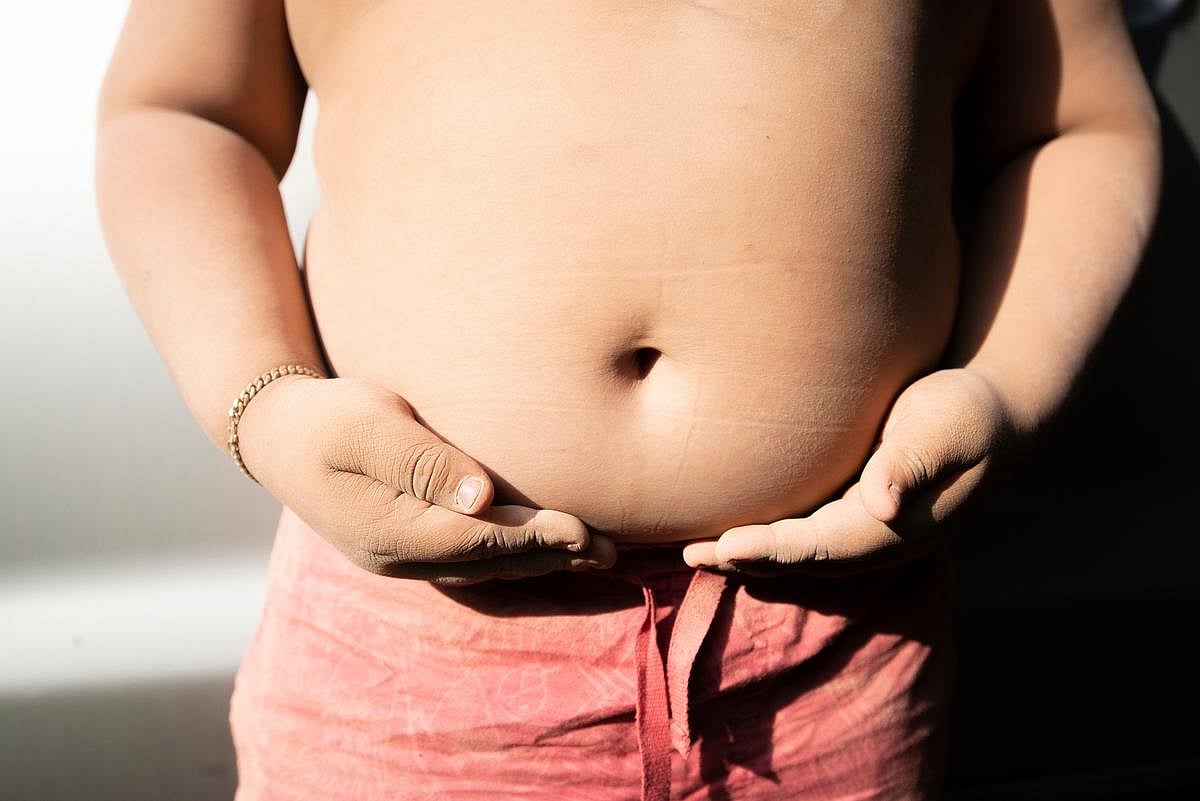
Roughly 1 million American kids became obese during the COVID-19 pandemic, a new study says.
Childhood obesity rates in the U.S. rose from around 21% pre-pandemic to nearly 23% during the global health crisis, researchers reported Dec. 2 in the journal Pediatrics.
That totals up to about 1 million more children with obesity in the wake of the pandemic, researchers said.
“This was a substantial increase for pediatric obesity rates given the short time period,” lead researcher Sarah Messiah, a professor of epidemiology and associate dean for research at the UT Southwestern School of Public Health in Dallas, said in a news release.
These kids will be at increased risk of heart disease, stroke, arthritis, liver disease and other chronic illnesses later in life, researchers noted.
For the study, researchers analyzed data from a federal health and nutrition survey conducted annually, comparing the health of more than 4,700 youth 2 to 19 prior to the pandemic with 2,500 youth during the pandemic.
Results show that the pandemic particularly intensified weight gain for minority youth, disadvantaged kids, and those who were already overweight or obese.
For example, Black kids had almost twice the risk of severe obesity as white children, the study revealed.
Obesity was most common among adolescents 12 to 19, most notably among low-income households, researchers said.
Exercise helped protect some kids, results show. Those who had more days of physical activity were 9% to 14% less likely to develop severe obesity.
On the other hand, healthier eating patterns might not have had much benefit. Consumption of ultra-processed foods decreased from 66% of kids’ diets before the pandemic to under 63% during, but researchers found no clear link between that and kids’ weight.
Unstructured time spent idle around the house, emotional stress from lockdowns and family deaths, and limited access to healthy foods all are risk factors for childhood obesity, said senior researcher Dr. Sarah Barlow, a professor of pediatrics at UT Southwestern.
“The pandemic certainly heightened all of those stressors,” Barlow said in a news release.
More information
The U.S. Centers for Disease Control and Prevention has more on childhood obesity.
SOURCE: UT Southwestern, news release, Dec. 2, 2025


